Six Listeners and a Marrow: The Shed Studios Making Radio for the Next Plot Along
On a Sunday morning, somewhere between the water butt and the compost heap, a shed door comes open and a broadcast begins. There is no red light, no soundproofing, no editor asking for a tighter intro. Just a phone propped on an upturned bucket, a microphone wrapped in a sock, and a grower saying, “Right, it’s ten past nine, the wind’s coming off the railway, and somebody’s been leaving courgettes in the honesty box again.”
The audience for this particular episode might be six people. Seven if the bloke on plot 22 remembers his hearing aid. But those six listeners are not scattered across time zones. They are forty metres away, holding a flask, wondering whether to risk putting the tomatoes out.
The fence is the transmitter
Britain’s allotment podcasters are not chasing scale. They are chasing the fence line. Their shows are hyperlocal by design — less “content” than a bulletin board with a voice. A shedcast might include a five-minute interview with the site secretary about the new gate code, a weather report delivered with the gravity of a shipping forecast, and a recurring segment on who has the best comfrey patch. It is radio made for people who can walk over and argue with the presenter.
This is not a new idea so much as a very old one with a new microphone. Allotment societies have always run on notices, gossip and the slow circulation of information through the hedge. What has changed is that a decent dynamic mic now costs less than a bag of decent seed potatoes, and a phone can edit audio while the kettle boils. The barrier to broadcasting has collapsed. The barrier to being heard — really heard, by people who know your name — has not.
A microphone, a milk crate and a solar panel
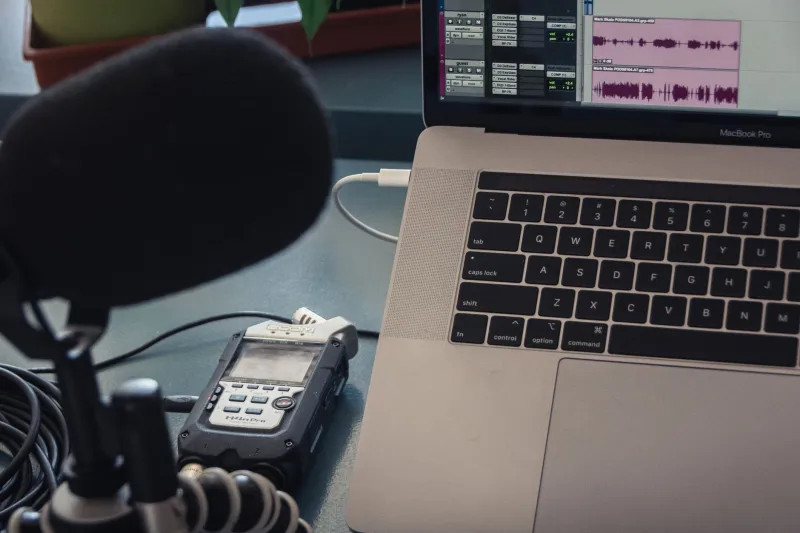
The technical set-up is refreshingly unglamorous. A typical shed studio might be a phone, a small dynamic microphone, a foam windshield improvised from a kitchen sponge, and a solar power bank charged on the shed roof. Editing happens in free apps, often while wearing gloves. One grower in Sheffield records the site’s monthly newsletter as an audio file and plays it through a Bluetooth speaker at the trading hut. Another in Bristol interviews older plot-holders about varieties they have grown for decades, then burns the episodes onto a USB stick for a neighbour who does not stream.
The result is not polished, and that is part of the appeal. You can hear the wind. You can hear a wheelbarrow. You can hear the presenter losing their train of thought because a robin has landed on the raspberry cage. These are not flaws to be cleaned up in post. They are proof of place.
The listening bench
What makes the allotment podcast different from most independent audio is the playback. Episodes are not just published and forgotten. They are listened to together — on a bench, in a communal shed, or in the corner of a community room with a flask and a packet of custard creams. The listening session is the distribution strategy. Someone brings a speaker. Someone else brings a disagreement about the bonfire rota. The episode becomes a prompt for the meeting that follows.
This is where the format earns its keep. A global podcast asks for attention. A shedcast asks for presence. The audience is not a number on a dashboard; it is a person who will knock on your door the next day and say, “I heard what you said about the broad beans. You were wrong.”
Downloads are not the point
By the metrics of the mainstream audio industry, these shows are invisible. Six listeners is a rounding error. But the allotment broadcasters are measuring something else: whether the site secretary feels less isolated, whether a new plot-holder learns where the water key lives, whether a long-running dispute about shed heights gets talked about without anyone storming off. The podcast is a civic tool disguised as a hobby.
It also documents a world that rarely gets recorded. The seed swap. The first frost. The bench that nobody sits on because it faces the wrong way. The marrow that arrives at your door because someone heard you were ill. These are small things, but they are the texture of a neighbourhood, and they are exactly what a fence-line radio station is built to hold.
The next plot along
There is talk, as there always is, of a network — a shared feed, a template, a little logo. But the best of these shows resist the pull of the wider internet. Their editorial boundary is the hedge. Their lead story is the weather. Their guest is whoever happens to be walking past with a rake.
And when the episode ends, the presenter does not ask for a like, a share or a review. They say the same thing every week: “See you at the gate.” In shed radio, that is not a sign-off. It is the delivery plan.