One Screen, Forty Strangers: The Volunteer Cinemas Making Streaming Feel Small
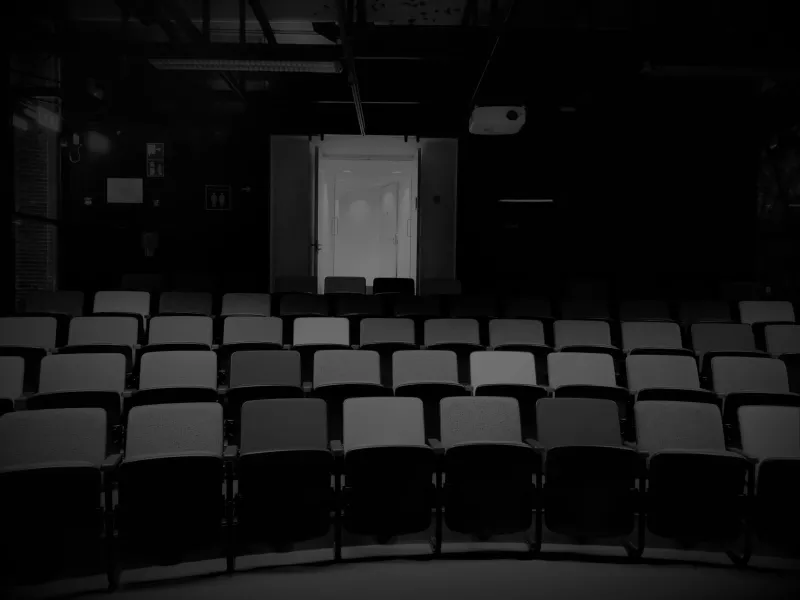
The first time I paid £7 to watch a film in a pub back room, I thought I was early for a gig. There was a projector on a stepladder, a bedsheet screen and forty folding chairs. By the time the credits rolled, I had talked to three strangers about a film none of us could have found on a streaming menu. That is the pitch for the UK's microcinema boom, and it is a better pitch than anything the platforms have.
This is not an argument against streaming. I use it. You use it. But convenience has a cost, and the cost is the room. The 40-seat cinema club is not a smaller multiplex. It is a different medium.
The licensing maze
Want to screen a film in a pub? Good luck. You need a screening licence from the distributor or a collection society such as Filmbankmedia or MPLC, a premises licence that allows film exhibition, insurance, fire safety, and sometimes a PRS for Music licence. The costs add up: £100–£250 for a licence, £80–£150 for a pub back room, plus equipment and blackout. A 40-seat room at £8 a ticket grosses £320. You do the maths.
Most microcinemas do not have a permanent home. They borrow, beg and rota. One week it is a community hall; the next it is a disused shop with a temporary events notice. The licensing headache is the reason many rooms stay small. It is also the reason they feel precious.
Programming is personality
Microcinemas do not have algorithms; they have taste. The best rooms programme like a friend with a good DVD shelf: a Powell and Pressburger double bill, a local documentary, a shorts night, a cult film with a Q&A. They lean into the local — films about the town, films made in the town, films that would never fill a multiplex.
That is the sharpest alternative to streaming: not more choice, but a choice made by a person. You trust the programmer because you have met them. You take a risk because the room is small enough that the risk feels shared.
The volunteer economy
Nobody is getting paid. The volunteer economy runs on favours, rota sheets and a shared login for research. It is fragile and stubborn. But it works because the audience is small enough to matter. The person tearing your ticket is also the person introducing the film. The person running the bar is also the person fixing the projector. That overlap is the point.
Rooms worth seeking out
These are the kinds of rooms to look for — check local listings, because many move month to month.
- The Annexe, Leeds. A former betting shop with 36 seats and a monthly programme of British social realism. The seats are mismatched. The screen is bigger than the room deserves.
- The Back Room, Manchester. A pub cellar, 42 seats, cult double bills and a strict no-phones rule. The beer is cheap. The sound is better than it has any right to be.
- The Coach House, Norwich. A community hall with 30 seats and a focus on local documentaries. The Q&As are longer than the films. Nobody minds.
- The Old Library, Cardiff. A disused library with 50 seats and a regular Welsh-language shorts night. The shelves are still there. The films are not.
- The Wash House, Glasgow. A launderette by day, a cinema by night, 28 seats. The programme is experimental. The heating is not.
The case for the small screen
A 40-seat room cannot compete with a multiplex on comfort or sound. It can compete on attention. When you are one of forty people in a room, you cannot scroll. You cannot pause. You cannot open another tab. You have to sit with the film and the strangers around you. That is not a limitation. It is the whole experience.
The UK's microcinemas are not trying to replace streaming. They are trying to remind us what a screen is for: gathering people, holding a room, making a night mean something. In 2026, that feels less like nostalgia and more like a rescue mission.