Round One, Make It Weird: The Quizmasters Treating Tuesday Like a Zine Launch
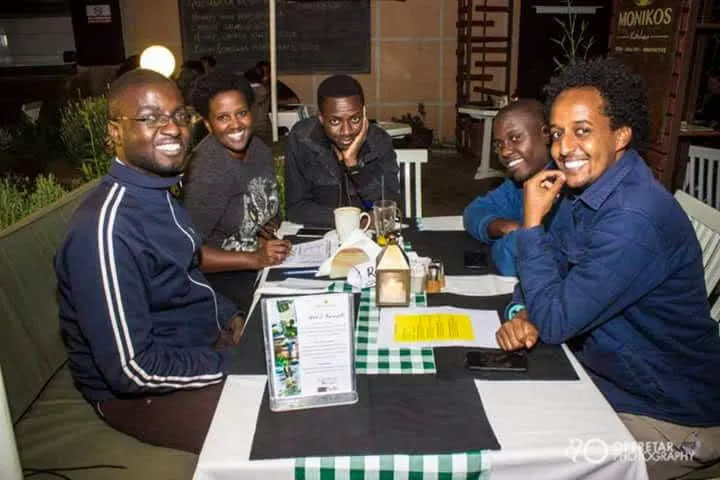
Photo: Hilary Murugu, CC BY-SA 4.0, via Wikimedia Commons
It is a Tuesday night in a pub that has seen better decades. The carpet is the colour of wet cardboard, the projector is held together with gaffer tape and hope, and forty adults are staring at a photocopied sheet like it contains the location of a buried treasure. In a way, it does. The treasure is the next hour and a half of not being at home, not scrolling, not half-watching something while absolutely nothing happens.
The person at the front is not a comedian, though they have timing. They are not a teacher, though they have marked a lot of papers. They are a pub quizmaster, and in 2026 they are quietly doing some of the most inventive writing for a live audience in the country. The quiz sheet is the form. The room is the venue. The locals are the cast.
The answer sheet is a small-press object
A good quiz sheet is not a printout. It is a publication. It has a masthead, a house style, running jokes, a typo that has become canon. One quizmaster in Sheffield designs a new front cover every week, badly on purpose, with a collage of local landmarks and whatever the photocopier did to the toner. Another in Norwich includes a hand-drawn map for a picture round and a tiny apology in the corner for last week’s answer about the bus route. People keep the sheets. Some have folders.
This is where the creative scene lens matters. The pub quiz is not a format that arrived from television and sat still. It is a DIY print culture with a microphone attached. Quizmasters write bespoke rounds because generic questions feel like airport lounge music: technically present, emotionally absent. A round on forgotten crisp flavours, closed department stores, local footpaths or the names of pub cats is not trivia for its own sake. It is a way of saying: we live here, we notice things, and we are going to make each other laugh about it.
Writing for the room, not the algorithm
The best quizzes are built around attention, not information. That means pacing. It means a music round that uses a crackly cassette because the wobble makes people lean in. It means a picture round projected onto a bedsheet, a tie-breaker read out like a court verdict, a villain round that everyone complains about and secretly loves. The technology is often deliberately low: a laptop, a speaker, a pub TV with the colour settings wrong. The gimmick is not the gadget. The gimmick is the room’s shared concentration.
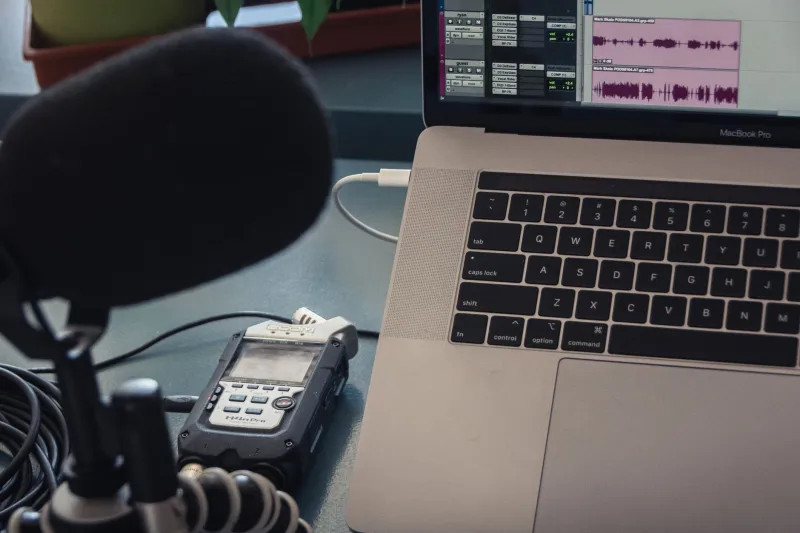
One quizmaster in Bristol runs an audio round recorded in the pub itself — regulars reading clues in character, a landlord doing a weather report, a dog barking at the right moment. It takes hours to edit and five minutes to play, which is roughly the economics of every independent creative project in Britain. Another in Glasgow builds a weekly local history round from old photographs, newspaper clippings and arguments with regulars about which street had the better chip shop. The research is real. The reward is a table of strangers groaning because they knew the answer and doubted themselves.
Local knowledge is the house special
There is a difference between a quiz that could happen anywhere and a quiz that could only happen here. The generic round asks who painted the Mona Lisa. The bespoke round asks which bridge used to have a toll booth, which pub had a landlord who kept a parrot, which bus route was nicknamed something rude by schoolkids in the 1990s. This is local history as entertainment, but it is also a form of archiving. The quizmaster becomes an accidental keeper of the area’s oral culture, collecting the things that do not make it into official records because they are too small, too silly or too dependent on who was standing where at the time.
That localism creates a particular kind of theatre. People arrive early. They choose a table like they are picking a side. They develop rivalries. They boo the villain round. They cheer a clean sweep of the local knowledge section like their postcode has won the World Cup. The answer sheet is the script, but the performance is improvised by everyone holding a pen.
A Tuesday with a bit of trust
The economics are not glamorous. Entry is usually a few pounds, the prize is often behind the bar, and the quizmaster is doing it for the love of the form plus whatever the whip-round brings. But the cultural value is harder to price. In a week of feeds and on-demand everything, a pub quiz offers something increasingly rare: a scheduled room, a shared task and a reason to be present with people you did not arrive with. It is not anti-streaming so much as a different use of a night. It is cheap, analog and lightly chaotic. It asks you to be a participant rather than an audience.
The quizmasters doing this well are not just asking questions. They are editing a weekly publication, hosting a live show and running a small community archive from a corner table. They are making Tuesday feel like opening night. And if the answer sheet has a coffee ring on it and the projector dies halfway through round four, that is not a failure of production. That is the production. The room fills because it is real, because it is local, and because the next question is not on a screen. It is in the hand of the person at the front, grinning, about to say: right, pens down, let’s see what you’ve got.