Cheap Entry, No Cameras: The Grassroots Nights Betting on Trust

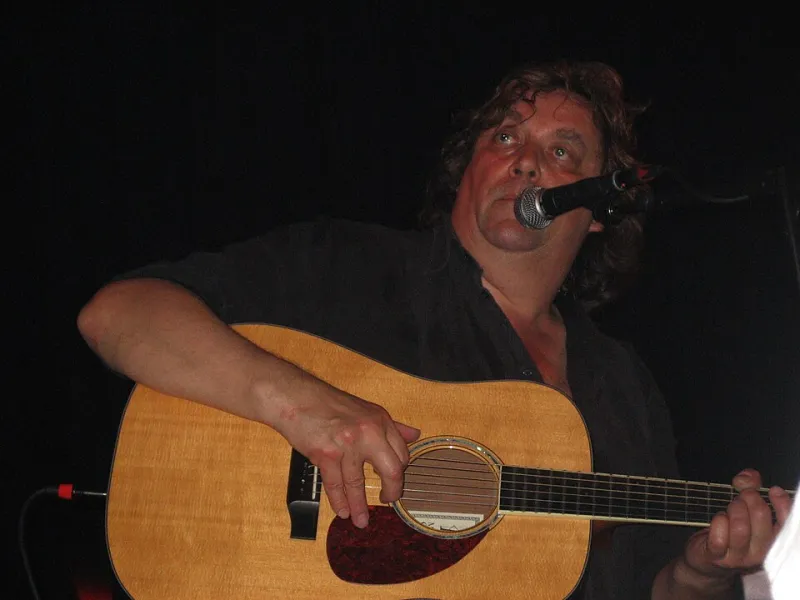
Photo: N Chadwick , CC BY-SA 2.0, via Wikimedia Commons
On a Friday night in a city centre, the door tax is £3. Not £3 extra for a flyer, not £3 off before midnight — £3 to get in. Inside, the room is dark, the soundsystem is doing its best, and the crowd is a mix of regulars, students, and people who heard about it through a group chat. There is a sign at the door asking people not to take photos. It is not a rule enforced by bouncers. It is a request, and most people respect it.
This is not a fantasy of the good old days. It is a small but visible strand of grassroots club culture in the UK right now. Promoters are experimenting with pay-what-you-can entry, sliding scales, no-photo policies and community pricing. The aim is not to make clubbing free. It is to make it accessible without turning it into a race to the bottom — and to protect the kind of risky, weird, local nights that do not fit neatly into a brand strategy.
The maths of a £3 door
A cheap door is easy to announce and hard to sustain. Venue hire, security, insurance, PRS, DJ fees and promotion all cost money. A £3 entry only works if the room is full, the overheads are low, and the people putting it on are willing to take a hit. Some nights use a sliding scale: £3 if you are skint, £5 if you are comfortable, £10 if you can subsidise someone else. Others run membership schemes, donation buckets or community shares. None of these are a magic formula. They are a set of trade-offs.
The trade-off is not just financial. A cheaper door changes who comes. It can bring in younger people, local residents and people who have been priced out of bigger clubs. It can also bring in people who are not sure what they are walking into. That is where trust comes in.
Trust is the real door policy
No-photo policies are not about being precious. They are about creating a room where people can dance badly, sweat, flirt, cry or stand still without worrying about ending up in a stranger’s story. In an age of constant documentation, a no-photo night feels almost radical. It also asks something of the crowd: that they look after each other, respect the space and accept that the night will not be archived.
Cheaper entry and no-photo policies are connected. If a night is trying to build a community rather than a content pipeline, it needs a different kind of social contract. Promoters talk about safer spaces, consent, accessibility and clear boundaries. These are not luxuries. They are the conditions that make a mixed crowd feel comfortable. A £3 door is a gesture of openness. A no-photo policy is a gesture of trust. Neither works without the other.
The luxury trap
The risk is not that clubbing becomes cheap. The risk is that it becomes a luxury product. When independent nights are forced to compete with branded festivals and corporate club chains, the pressure is to raise prices, polish the offer and turn the night into an experience to be photographed. The weirdness gets sanded down. The local becomes a theme. The dancefloor becomes a backdrop.
Cheaper doors and stranger bills are a way of pushing back. They say that a night out does not have to cost a week’s food budget. They say that the audience is not a market to be segmented but a room of people to be trusted. They say that the best nights are often the ones that could not be franchised.
But there is a danger in romanticising the struggle. A £3 door is not a sustainable business model on its own. DJs still need to be paid. Venues still need to cover their costs. Volunteers still need to sleep. If the scene celebrates cheapness without addressing the economics underneath, it risks burning out the very people who make it happen. The answer is not to make everything free. It is to be honest about what things cost and who is paying.
What promoters are learning
The most interesting experiments are transparent. They publish their budgets. They explain why a ticket costs what it does. They offer different price points without making anyone feel like a charity case. They work with local venues, community groups and artists to share resources. They treat access as a design problem, not an afterthought.
That approach does not guarantee survival. Grassroots venues are closing. Funding is tight. Audiences are cautious. But it does offer a different story about what clubbing is for. Not just a night out, but a local culture with its own rules, its own people and its own reasons to exist.
A £3 door is a dare. It asks whether a night can be cheap, strange and safe at the same time. It asks whether people will show up without a camera in their hand. It asks whether the independent dance scene can protect its weirdness without turning it into a product. The answer is not settled. But the fact that promoters are asking the question is a sign that the scene is still alive.