Red Lights, Shared Tanks: The Volunteer Darkrooms Turning Film Into a Local Habit
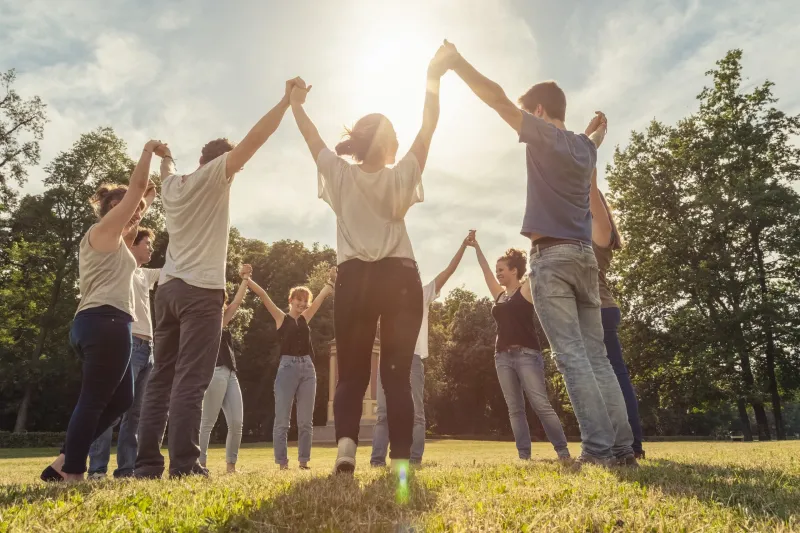
Photo: community darkroom red light film photography enlarger UK, via www.claritychi.com
Walk into a volunteer darkroom on a wet Tuesday in Leeds and the first thing that hits you isn’t the smell of fixer. It’s the quiet. Phones are face down. Someone is rocking a tray. Someone else is arguing, politely, about whether the enlarger lens is out by a hair. A red bulb does the rest.
That scene is repeating across the UK. In Bristol, a converted unit hums with the sound of a film dryer and a kettle going at the same time. In Manchester, a Saturday workshop ends with six people crowding round a sink, waiting for an image to appear. None of this is new, exactly. Darkrooms have always been social places. What feels different in 2026 is who is turning up and why.
The red light is the point
Under-30s are a big part of the queue. Some have inherited a camera from a parent. Some bought a point-and-shoot at a car boot sale for the price of a round. Others are simply tired of taking 400 pictures of the same wall and never looking at them again. Film slows the whole thing down: you choose the frame, you pay for the roll, you wait, you print. The wait is not a bug. It is the appeal.
Community darkrooms make that wait affordable. A volunteer-run session might cost less than a cinema ticket, with chemistry and equipment included. That matters. Analogue photography can be an expensive hobby if you buy everything yourself: enlarger, trays, safelight, easel, chemicals, paper, the lot. Shared spaces spread the cost and the knowledge. They also remove the intimidation factor. You do not need a lock-up in a basement or a spare room that smells of vinegar. You need a slot on a rota and someone to show you which way round the negative goes.
A cheaper way into a slower craft
The volunteers are the engine. They mix chemicals, maintain enlargers, unblock sinks and explain, again, why you cannot turn the white light on while the paper is out. Many are not trained teachers. They are photographers, students, retired technicians, people who learned in a college darkroom and want to keep the thing alive. Their knowledge is practical and generous. A good session feels less like a course and more like a kitchen table with better ventilation.
That model is especially useful outside London. Leeds and Bristol both have strong independent photography scenes, but access to equipment has always been patchy. A community darkroom can fill a gap that art schools and camera shops leave behind. It can also feed local exhibitions, zines and small publishing projects. The prints made on a Tuesday night end up on a cafe wall, in a photobook, on a stall at a weekend fair. The darkroom becomes a production line for the local scene, not just a place to hang out.
From sink to street
Exhibitions are part of the point. Volunteer darkrooms are increasingly staging open shows, print swaps and crit nights where nobody is too precious about the work. You might see portraits, street photography, abstract photograms, family archive projects and a lot of dodgy first attempts. That mix is healthy. It keeps the space from becoming a clique. It also gives new photographers a reason to finish something. A print that stays in a drawer is a hobby. A print that goes on a wall is a conversation.
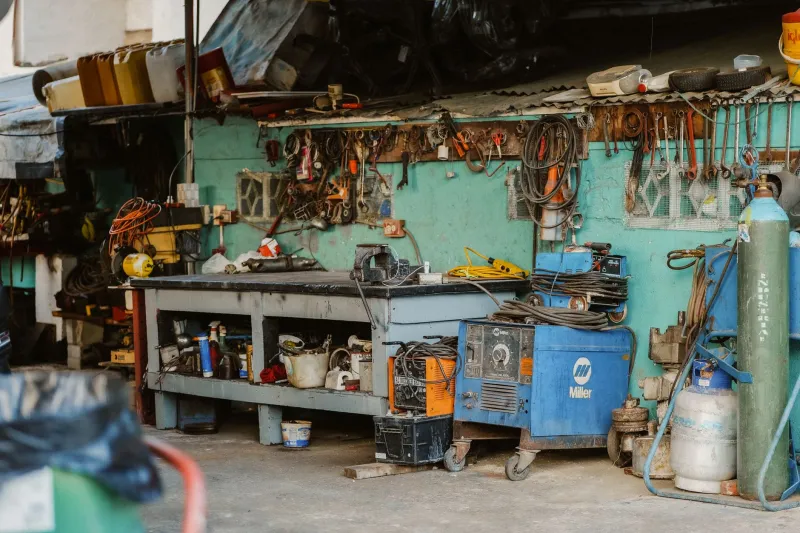
There is a practical charm to the whole operation. Darkrooms are not sleek. They are often improvised, donated, repaired and slightly out of date. A timer might be held together with tape. The safelight might be a bit too bright. The sink might gurgle. But the setup works because it is shared. People learn to respect the kit because they know someone else needs it next. That kind of mutual care is hard to manufacture in a pure rental model.
What the trays teach us
So why now? Part of it is screen fatigue, obviously. Part of it is the cost of going out. A darkroom night is cheaper than a lot of gigs or bars, and you come home with something you made. Part of it is the rise of local creative networks that value skill-sharing over slick presentation. The UK’s independent scenes have been getting smaller, weirder and more local for a while. Community darkrooms fit that mood perfectly. They are not trying to scale. They are trying to keep the lights on.
That is also their vulnerability. Volunteer-run spaces need volunteers. They need landlords who are not chasing the highest bid. They need people to pay for sessions, buy raffle tickets and turn up to the clean-up day. The romantic version of the darkroom is a red-lit haven of craft. The real version is a rota, a budget and a mop. Both are true.
Still, there is something quietly radical about a room where a teenager and a pensioner can stand shoulder to shoulder, waiting for the same image to come up in the tray. No algorithm decides what is good. No feed tells you it is time to move on. The picture either works or it doesn’t, and then you try again. In a culture that keeps promising speed, the darkroom offers something better: a slower way to belong.